In the dynamic world of business, simply having a great product or service isn't enough to guarantee lasting success. True staying power, the kind that weathers economic shifts and fuels expansion, hinges on robust Financial Management & Funding. This isn't just about crunching numbers; it's the strategic framework that guides every resource allocation, investment decision, and operational move your organization makes. Think of it as the central nervous system for your business's financial health, ensuring vitality and sustainability from daily cash flow to audacious long-term goals.
It's the critical discipline that transforms raw financial data into actionable intelligence, empowering leaders to not just react to market conditions, but to proactively shape their company's future. Without sound financial management, even the most innovative ventures risk faltering under the weight of unforeseen expenses, inefficient resource use, or missed opportunities.
At a Glance: What You'll Learn About Financial Management & Funding
- It's a Strategic Framework: Financial management isn't just accounting; it's the strategic backbone for resource allocation and investment.
- Core Purpose: Achieve organizational objectives like maximizing profits, ensuring liquidity, and maintaining compliance.
- Key Responsibilities: Planning, budgeting, risk management, and setting financial procedures.
- Influences Everything: From investment and procurement to tax strategies and project ROI.
- Three Big Decisions: Managing daily working capital, making major capital investments, and balancing debt vs. equity.
- Tech is Transforming It: AI, automation, and ERP systems are revolutionizing insights and efficiency.
- Skills Matter: Financial managers need analytical prowess, tech fluency, strategic thinking, and strong communication.
- Common Challenges: Maintaining cash flow during growth, adapting to regulations, and integrating data.
- Practical Tips: Simple strategies to improve accounts receivable and boost cash flow.
The Architect of Organizational Health: What is Financial Management?
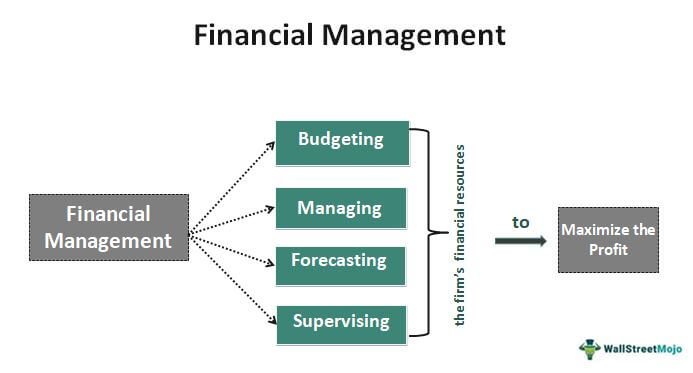
At its heart, financial management is the art and science of guiding an organization's financial resources to achieve its objectives. It’s a comprehensive framework that impacts everything related to your financial well-being, from ensuring you have enough cash to pay the bills today to making strategic investments that will pay off for years to come.
Its core purpose is remarkably clear: to track liquidity and cash flow, maximize profits sustainably, develop insightful financial scenarios, and ensure every financial action adheres to regulatory compliance. This isn't a task to be delegated to an isolated department; it's a strategic imperative that integrates deeply with every facet of a business, shaping its capacity for growth and resilience.
The Four Pillars: Core Responsibilities of a Finance Team
Behind every financially sound organization is a dedicated finance team, often led by a Chief Financial Officer (CFO). Their responsibilities form the bedrock of sustainable operations:
- Strategic Planning: This involves looking ahead, projecting the financial resources needed to maintain positive cash flow, and strategically allocating funds for growth initiatives or unexpected contingencies. Whether it's capital expenses, workforce investments, or operational costs, planning sets the financial roadmap.
- Diligent Budgeting: More than just creating a spending limit, budgeting is the process of assigning available funds to meet all organizational costs – from rent and salaries to raw materials. It's about making deliberate decisions aligned with both short-term necessities and long-term strategic goals. Budgets can be static (fixed) or flexible, adapting to changing circumstances.
- Proactive Risk Management: This involves evaluating and controlling a spectrum of financial risks. This includes market risk (how external factors affect investments), credit risk (the danger of customers defaulting), liquidity risk (managing cash flow to meet immediate needs), and operational risk (threats like cyberattacks or fraud). Effective risk management balances potential threats with growth opportunities. For more in-depth guidance on mitigating potential threats, consider exploring comprehensive risk management best practices.
- Establishing Robust Procedures: This pillar focuses on defining clear guidelines for processing and distributing financial data securely and accurately. It outlines who is responsible for financial decisions, approval workflows, and ensuring the integrity of payments, reports, and invoices. Without clear procedures, even the best plans can fall apart.
Financial Management's Far-Reaching Influence: Beyond the Numbers
Financial management isn't a standalone function; it's an interwoven discipline that touches and informs almost every key area of your business. Its insights provide the data-driven clarity needed for optimal decision-making across departments.
- Investment Decisions: Evaluating capital opportunities, comparing realistic returns against potential risks for initiatives like technology upgrades, market expansion, or even acquisitions.
- Procurement Optimization: Collaborating closely with procurement teams to optimize purchasing decisions, establish spending controls, and strategically negotiate supplier payment terms to preserve cash.
- Accurate Reporting: Producing timely and accurate internal management reports, external financial statements, and specialized documents for stakeholders. This demands a delicate balance of transparency and confidentiality.
- Strategic Tax Strategies: Crafting legal and ethical strategies to reduce liabilities, structuring transactions efficiently, managing tax provisions, and continuously tracking evolving regulations.
- Risk Management Integration: Identifying, quantifying, and developing mitigation strategies for a wide array of potential threats, always balancing inherent risks with the potential for financial growth.
- Project Financial Soundness: Evaluating the financial viability of new initiatives, meticulously analyzing Return on Investment (ROI), and recommending adjustments throughout the project lifecycle to keep it on track financially.
- Vigilant Cash Flow Management: Relentlessly monitoring and managing the timing and value of incoming and outgoing cash. This includes forecasting future needs and taking proactive steps to maintain financial stability. For deeper insights into maintaining smooth financial operations, explore strategies for robust cash flow.
- Budgeting Leadership: Spearheading the entire budgeting process, setting realistic financial targets, and scheduling resources in alignment with overarching strategic goals. Performance is then tracked, and allocations are adjusted as needed.
- Financial Planning and Analysis (FP&A): This crucial area transforms raw financial data into actionable insights through rigorous forecasting, sophisticated scenario modeling, and performance analysis. It’s the engine that guides executive decisions and strategic direction, often leveraging powerful financial planning tools.
The Three Pillars of Strategic Financial Decisions
Financial management isn't static; it involves continuous decision-making across three primary categories, each with its own focus and implications:
- Working Capital Management: This is all about the day-to-day. It ensures your organization has sufficient short-term assets (like cash, inventory, and accounts receivable) to meet its short-term obligations. The goal is to improve operational efficiency by expertly managing the cash conversion cycle – the time it takes for investments in inventory and other resources to be converted into cash. For instance, a manufacturing company might obsess over optimizing inventory days to reduce excess stock sitting idle, thereby freeing up capital.
- Capital Budgeting: This category deals with the big picture – analyzing and prioritizing large-scale projects that demand significant funding. It’s about making smart, long-term investments. This involves estimating project costs and meticulously calculating financial metrics such as Net Present Value (NPV) and Internal Rate of Return (IRR) to make data-backed investment decisions. Should you invest in a new, automated warehouse? Capital budgeting provides the framework to answer that question. Learn more about making these crucial decisions with advanced capital budgeting strategies.
- Capital Structure: Here, the focus shifts to how your organization finances its assets and operations. It's about determining the optimal mix of debt (e.g., loans, bonds) and equity (e.g., shares issued to investors). Decisions here are influenced by factors like interest rates, market conditions, and investor appetite. A technology firm, for example, might issue new shares to balance its debt-to-equity ratio as it eyes a major expansion, ensuring sustainable growth without overburdening its financial health.
Leveraging Modern Technology for Financial Acumen
The era of manual spreadsheets and siloed data is rapidly fading. Modern financial management is increasingly powered by sophisticated technologies that deliver real-time insights and unparalleled efficiency.
Organizations today leverage advanced tools like Artificial Intelligence (AI) in financial planning and analysis (FP&A), finance automation, sophisticated accounting software, and integrated Enterprise Resource Planning (ERP) platforms. These technologies are not just about streamlining; they're about transforming how finance leaders operate.
According to IBM Institute for Business Value research, a significant 53% of executives are already employing automation in their financial analysis and management reporting. This shift isn't just about speed; it's about depth and accuracy.
- Agentic AI excels at digesting vast amounts of historical data to construct highly precise predictive models, enhancing forecasting accuracy and liberating finance professionals from tedious data crunching for more strategic tasks.
- Generative AI models take this a step further, analyzing market trends and economic indicators in real-time, delivering immediate, data-driven insights that can pivot strategy on a dime.
- These AI-powered FinOps models aren't just theoretical; they've been shown to yield cost savings exceeding 20%, proving their tangible value in today's competitive landscape.
Integrating these technologies allows finance teams to gain a holistic, real-time view of their financial health, automate routine functions, and weave financial processes into the very fabric of the organization's operations.
The Financial Manager: Architect of Organizational Health
At the helm of these critical functions is the financial manager – a senior professional who not only oversees an organization's financial health but also actively shapes its strategic direction. This role demands a unique blend of analytical prowess, technological fluency, and leadership.
Key skills for a successful financial manager include:
- Financial Analysis and Modeling: The ability to dissect complex financial data, build robust models, and extract meaningful insights.
- Systems and Technology Proficiency: Comfort and expertise with modern financial software, ERP systems, and emerging AI tools.
- Regulatory Knowledge: An up-to-date understanding of financial regulations, compliance requirements, and tax laws.
- Strategic Communication: The skill to translate complex financial information into clear, actionable insights for diverse stakeholders, from executives to operational teams.
- Leadership and Collaboration: The capacity to lead a finance team, influence cross-functional departments, and foster a culture of financial accountability.
- Risk Management Acumen: A keen eye for identifying, assessing, and mitigating financial risks across the organization.
- Business Acumen: A deep understanding of the organization’s industry, market dynamics, and overall business strategy.
The role of the CFO and their financial management team is rapidly evolving, moving from purely reporting to becoming a true strategic partner in business innovation and growth. To understand how this pivotal role is expanding, delve into the evolving role of the CFO.
Real-World Financial Management: Case in Point
Theory is important, but seeing financial management in action truly illustrates its impact.
Consider Landmark Retail, an omnichannel retailer with a vast network of 2,200 stores across 21 countries. They faced the monumental task of streamlining their budgeting process across numerous brands and geographies. By implementing IBM Planning Analytics, Landmark Retail dramatically reduced the employee time spent on budgeting by an impressive 75%. This not only created massive efficiencies but also significantly improved governance and transparency, ensuring consistent financial oversight across their sprawling enterprise.
Similarly, imagine a financial manager for a well-established toothpaste company that decides to launch a new product line: high-end electric toothbrushes. This isn't just a marketing decision; it's a financial one:
- The financial manager would meticulously estimate costs for research and development, manufacturing, marketing, and distribution.
- They would then work to secure funding, perhaps through a bank loan or by reallocating internal capital.
- Resources would be allocated efficiently to ensure cost-effective manufacturing without compromising quality.
- Throughout the product launch and initial sales phases, they would monitor cash flow closely, adjusting strategies as needed.
- Finally, they would analyze profits and ROI to inform future strategic decisions, perhaps on scaling the toothbrush line or exploring other product categories.
These examples highlight how financial management translates strategic vision into tangible, profitable reality.
Navigating the Headwinds: Common Financial Management Challenges
Even with the best tools and teams, financial management comes with its share of complexities. Organizations frequently grapple with several common challenges:
- Balancing Cash Flow and Growth Investment: It’s a perennial dilemma: how to maintain sufficient cash for day-to-day operations while simultaneously investing aggressively in growth initiatives that might not yield immediate returns.
- Adapting to Evolving Regulations and Market Conditions: The financial landscape is in constant flux. New regulations, economic shifts, and market volatility demand continuous adaptation and foresight.
- Integrating Company-Wide Data for Accurate Forecasts: Many organizations struggle with fragmented data across different departments and systems, making it difficult to achieve a unified, accurate view for forecasting and analysis.
- Effectively Communicating Complex Financial Information: Translating intricate financial reports and strategic decisions into clear, understandable language for non-finance stakeholders can be a significant hurdle.
Overcoming these challenges requires not just financial expertise but also strong leadership, cross-functional collaboration, and a commitment to continuous improvement.
Fundamental Concepts for Financial Resilience
Beyond the day-to-day tasks, a few critical concepts underpin sound financial management, acting as guiding principles for decision-making.
The Four Cs of Financial Health:
- Cash Flow: The lifeblood of any business. It's the movement of money in and out, ensuring liquidity and the ability to meet obligations. Positive cash flow is paramount.
- Credit: Your organization's ability to borrow money based on its financial reliability. Good credit is essential for securing favorable funding.
- Customers: The source of your revenue. Understanding their payment behaviors and ensuring timely collections directly impacts your cash flow.
- Collateral: Assets pledged to a lender to secure a loan. It reduces risk for the lender and can facilitate financing.
The Three Es of Financial Performance: - Economy: Doing things cheaply. This focuses on minimizing costs while maintaining quality.
- Efficiency: Doing things right. This is about optimizing processes and resource utilization to achieve maximum output with minimal waste.
- Effectiveness: Doing the right things. This evaluates whether the chosen strategies and activities are achieving the intended organizational objectives and delivering desired outcomes.
Mastering Cash Flow: Practical Strategies for Accounts Receivable
One of the most immediate and impactful ways to improve financial health is by optimizing your accounts receivable turnover. Faster collections mean better cash flow. Here are actionable steps:
- Invoice Regularly and Accurately: Send invoices promptly after goods or services are delivered. Ensure all details are correct to avoid delays due to disputes.
- State Clear Payment Terms: Clearly outline payment due dates, accepted methods, and any penalties for late payments or discounts for early payments directly on the invoice.
- Offer Multiple Payment Options: Make it easy for customers to pay by accepting various methods, such as credit cards, bank transfers, and online payment platforms.
- Set Up Automated Follow-Up Reminders: Implement a system (CRM or accounting software) that automatically sends polite reminders to customers as payment due dates approach and if payments become overdue.
- Consider Discounts for Early Payments: Offer a small discount (e.g., "2/10, net 30" – 2% discount if paid within 10 days, otherwise full amount due in 30 days) to incentivize prompt payment.
- Implement a Clear Collection Process: Define steps for escalating overdue accounts, including phone calls, formal notices, and, as a last resort, involving collection agencies.
- Credit Checks for New Customers: Before extending significant credit, conduct thorough credit checks to assess a new customer's payment reliability.
By proactively managing your accounts receivable, you can significantly enhance your organization's liquidity and financial stability, giving you more capital to invest in growth and resilience.
Building Your Financial Future: Next Steps for Strategic Growth
True financial management isn't a destination; it's an ongoing journey. It’s about cultivating a continuous cycle of planning, execution, monitoring, and adaptation that underpins every strategic move your organization makes. From leveraging AI to optimize your FP&A to meticulously managing working capital, every financial decision is a step towards stronger resilience and more impactful growth.
Whether you're a burgeoning startup or an established enterprise, the principles remain the same: clarity, discipline, and a forward-looking perspective. By embracing robust financial management practices, you not only safeguard your present but also unlock immense potential for your future. It's how you move from merely surviving to truly thriving, generating momentum that propels your business forward. To understand how these financial strategies contribute to overall business vitality, you might want to Learn about Momentum Generation. The future of your business isn't just built on innovation; it's built on sound financial footing.