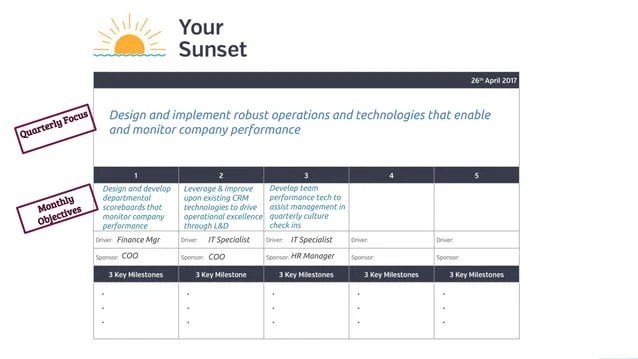
It's a disheartening truth: even the most brilliant business strategies often fall flat, not because the vision was flawed, but because the path from whiteboard to reality was poorly navigated. This isn't just about crafting a clever plan; it's about the entire journey of Strategic Planning & Execution, a discipline that transforms ambition into tangible results. Failures in this domain cost organizations billions and lead to wasted effort, missed opportunities, and disillusioned teams.
The chasm between having a strategy and actually making it happen is vast, and bridging it requires more than just good intentions. It demands a structured, systematic approach where planning isn't just a document, and execution isn't just a buzzword. It's about integrating daily operations with long-term goals, fostering alignment, and ensuring every single person understands their role in the grand scheme. Harvard Business School Professor Robert Simons rightly points out that even a perfectly formulated strategy is doomed if its execution falters.
At a glance: Your Roadmap to Strategic Success
- Strategic planning isn't just goal-setting; it's a structured process to define direction, analyze your environment, and set clear goals.
- Execution is the critical bridge that turns plans into achievements, integrating strategy into daily work.
- Communication is your secret weapon – ensure everyone understands the strategy and how they contribute.
- Align individual jobs to organizational strategy to maximize impact and employee buy-in.
- Measure constantly using KPIs to track progress, identify trends, and make necessary adjustments.
- Balance innovation with control by allowing calculated risks while maintaining strategic guardrails.
- Develop strong execution skills before setting strategic goals to increase your chances of success.
- Embrace iteration and flexibility; strategic planning is a dynamic, ongoing process, not a one-time event.
The Chasm Between Vision and Reality: Why Most Strategies Falter
Imagine a world-class architect designing a breathtaking skyscraper. The blueprints are perfect, the materials selected are top-tier, and the vision is inspiring. Now, imagine a construction crew that lacks clear instructions, uses substandard techniques, or has no shared understanding of the final structure. The result? A leaning tower, or worse, a collapsed dream.
This analogy perfectly illustrates the core challenge of strategy. Organizations pour immense resources into strategic planning, hiring consultants, conducting analyses, and holding off-site retreats. Yet, a staggering number of these well-crafted strategies fail. Why? Because the doing is often undervalued or misunderstood. Poor communication, a lack of employee buy-in, and ineffective risk management are just a few of the silent assassins that can derail even the most brilliant plans. It's not enough to have a strategy; you must live it, every single day.
What is Strategic Planning & Execution, Really?
Let's demystify these powerful terms.
Strategic Planning is the deliberate, structured process your organization undertakes to define its overarching direction, articulate future goals, and make decisions on allocating its resources to pursue these goals. It’s like mapping out a grand expedition:
- Where are we going? (Vision)
- What does success look like? (Goals)
- What challenges might we face? (Analysis)
- What resources do we have? (Internal capabilities)
- How will we get there? (Strategies)
It provides the much-needed compass and blueprint, ensuring everyone is looking at the same map and aiming for the same destination. This process is crucial for providing direction, enhancing responsiveness to market changes, aligning teams, and revealing new opportunities.
Strategic Execution, on the other hand, is the disciplined implementation of that strategic plan to achieve your defined business goals and objectives. If planning is the blueprint, execution is the construction crew, the project manager, and the quality assurance team, all working in concert. It involves integrating the strategic plan into your daily structures, systems, and operational goals. It’s about: - Translating high-level strategies into concrete actions.
- Allocating budgets and resources effectively.
- Assigning responsibilities and accountabilities.
- Monitoring progress and making real-time adjustments.
- Ensuring every employee’s role contributes to the bigger picture.
Together, Strategic Planning & Execution form a symbiotic relationship. One cannot thrive without the other. A plan without execution is a fantasy; execution without a plan is chaos.
The Blueprint: Diving Into Strategic Planning (6 Phases)
Effective strategic planning isn't a mystical art; it's a systematic process with distinct, actionable phases. Think of it as building a robust foundation for your future success.
Phase 1: Cultivating Organizational Awareness
Before you can chart a new course, everyone needs to understand the journey ahead and why it matters. This phase is about establishing a common language and understanding of strategic planning itself.
- Educate & Engage: Conduct workshops and training sessions to explain what strategic planning is, its importance, and how it will unfold.
- Diverse Stakeholder Involvement: Engage a wide range of individuals – from executives and department heads to frontline employees and external partners. Their diverse perspectives offer invaluable insights and foster a sense of collective ownership. This isn't just about informing them; it's about making them part of the conversation from day one.
Phase 2: Sharpening Your Vision with S.M.A.R.T. Goals
Once awareness is built, it's time to define your destination clearly. Vague aspirations lead to diffuse efforts. This is where S.M.A.R.T. goals come in, transforming abstract ideas into concrete targets.
- Specific: What exactly do you want to achieve? (e.g., "Increase market share" becomes "Increase market share in the Western region for product X by 5%").
- Measurable: How will you track progress? (e.g., "5% increase" is a clear metric).
- Achievable: Is this goal realistic given your resources and market conditions? It should stretch you, but not break you.
- Relevant: Does this goal align with your broader strategic objectives?
- Time-Bound: When will this goal be achieved? (e.g., "by the end of Q4").
- Cross-Functional Collaboration: Ensure different departments work together to set goals that align across the entire organization, preventing silos and conflicting priorities.
Phase 3: Taking Stock: Understanding Your Current Landscape
You can't effectively plan for the future without a clear understanding of your present. This phase involves a rigorous self-assessment and external scan.
- Internal Analysis: Dive deep into your organization's strengths (what you do well), weaknesses (where you need improvement), resources (financial, human, technological), and capabilities. Tools like SWOT analysis (Strengths, Weaknesses, Opportunities, Threats) and balanced scorecards are invaluable here, providing a comprehensive view of your operational health.
- External Analysis: Look outward. What are the prevailing market trends? Who are your competitors and what are their moves? What do your customers truly want? How are technology changes impacting your industry? This insight helps you identify opportunities to seize and threats to mitigate. Establishing a baseline provides crucial context for future progress measurement.
Phase 4: Forging Your Path: Crafting Robust Strategies
With a clear understanding of your goals and your current state, you can now devise the specific strategies to bridge the gap.
- Leverage & Address: Formulate strategies that capitalize on your organizational strengths and identified opportunities, while simultaneously addressing weaknesses and external threats.
- Competitive Advantage: Focus on strategies that differentiate you and provide a sustainable competitive edge. What makes you unique? How can you win?
- Scenario Planning: The world is unpredictable. Map out alternative scenarios and develop contingency plans. What if a key technology emerges? What if a major competitor enters your market? This builds resilience into your strategy.
- Societal Impact: Consider the broader impact of your strategies on stakeholders, communities, and the environment. Responsible strategies build long-term trust and sustainability.
Phase 5: Blueprint to Action: The Implementation Roadmap
This is where the rubber meets the road. A brilliant strategy is useless without a clear plan for how it will be executed.
- Company-Wide Roadmaps: Develop detailed, company-wide roadmaps. These aren't just lists of tasks; they're integrated plans with clear accountabilities, allocated budgets, realistic timelines, and specific progress metrics for each strategic initiative.
- Communicate & Train: Communicate these plans across all levels of the organization. Ensure employees understand the new workflows, processes, and tools required to implement the strategy. Training is paramount.
- Integration: Weave strategic initiatives into daily operations. This isn't an "add-on" project; it's how you do business now.
- Leadership Sponsorship: Crucially, secure visible and active leadership sponsorship. Leaders must champion the strategy, provide resources, and remove roadblocks. This phase is where you start to build genuine momentum for your initiatives. To truly accelerate your progress and ensure your plans gather the necessary traction, you need to understand the dynamics that drive continuous advancement. Learn about momentum generation to keep your strategic efforts moving forward.
Phase 6: Iteration is Innovation: Constant Monitoring & Evaluation
Strategic planning is not a "set it and forget it" activity. It's a continuous cycle of learning and adaptation.
- Track Progress with KPIs: Continuously monitor your progress using the Key Performance Indicators (KPIs) established during the goal-setting phase. These numeric metrics are your objective gauges of success.
- Scheduled Reviews: Conduct regular, scheduled reviews (quarterly, annually) to assess the overall effectiveness of your strategy. Are you hitting your targets? Are the underlying assumptions still valid?
- Feedback & Course Correction: Actively gather feedback from all stakeholders. Be prepared to make rapid course corrections as needed. Flexibility is not a weakness; it's a strategic strength in a dynamic environment.
- Celebrate Progress: Don't forget to celebrate incremental successes along the way. Acknowledging milestones builds morale and reinforces commitment to the long-term vision. This iterative process is what transforms a static plan into a living, evolving roadmap to success.
Bridging the Gap: Mastering Strategic Execution (5 Keys)
Having a brilliant plan is one thing; bringing it to life is another entirely. This is where strategic execution shines, and it's notoriously challenging. Here are five essential keys to unlock successful execution, based on the insights of experts like Robert Simons. Remember, developing strong execution skills needs to be a core competency within your organization, ideally cultivated before you even start setting strategic goals.
Key 1: United Front: Wholehearted Commitment to the Plan
Imagine rowing a boat where half the crew thinks they're going left and the other half believes the destination is right. You'd just spin in circles. The same applies to strategy.
- Shared Understanding & Agreement: Ensure that all decision-makers and key stakeholders not only understand but also genuinely agree on the strategic plan. This creates fundamental alignment and a shared sense of purpose. It’s not about blind obedience; it’s about informed consensus.
- Adaptability & Communication: Strategies aren't etched in stone. The business landscape constantly shifts. A committed organization recognizes this and uses clear, ongoing communication to maintain alignment even as the strategy adapts to new realities. This means regularly revisiting the "why" behind the plan.
Key 2: Design for Impact: Aligning Every Role to Strategy
Execution is a team sport, and every player needs to know their position and purpose. This key focuses on ensuring individual contributions directly support organizational goals.
- Purposeful Job Design: Design employee roles with the organizational strategy front and center. Each job description, every set of responsibilities, should clearly articulate how it contributes to strategic objectives.
- Robert Simons' JDOT Framework: Consider Robert Simons' "JDOT" framework for assessing job design:
- Span of Control: How many direct reports does someone manage? Does this allow for effective oversight aligned with strategic priorities?
- Span of Accountability: For what outcomes is an individual directly responsible? Do these align with strategic KPIs?
- Span of Influence: How much impact can an individual have beyond their direct reports or team? Does their role facilitate cross-functional strategic collaboration?
- Span of Support: What resources and backing does an individual receive to execute their strategic duties?
- By adjusting these "spans," you can optimize individual performance and ensure everyone is pulling in the same strategic direction.
Key 3: Clarity Breeds Action: Empowering Through Communication
Communication is often cited as the biggest failure point in strategy execution, and for good reason. It’s not enough to tell people what to do; you must tell them why and how their contribution matters.
- From High-Level to Individual: Every employee, from the CEO to the newest intern, needs to understand the broader strategic goals. More importantly, they must grasp how their individual responsibilities contribute directly to achieving those goals.
- Managers as Translators: Managers play a pivotal role. They must translate the organizational strategy into meaningful terms for their teams, clearly communicating team-level impact and celebrating progress.
- All-Staff & Culture: Utilize all-staff meetings, newsletters, and internal platforms to regularly reinforce strategic objectives and celebrate milestones. Foster a culture where contributions to strategy are recognized and valued, creating a virtuous cycle of engagement.
Key 4: Know Your Progress: Measuring What Matters with KPIs
You can't manage what you don't measure. Continuous performance monitoring is non-negotiable for successful execution.
- Numeric Key Performance Indicators (KPIs): Establish clear, numeric KPIs during the strategic planning phase. These are your vital signs, telling you whether your strategy is healthy or needs intervention.
- Regular Tracking & Analysis: Don't just set KPIs; actively track them. Regularly review metrics (e.g., "increase customer retention rate by 30% by 2026") to identify trends, pinpoint areas of concern, and predict whether you're on track to achieve your goals.
- Adjustments are Key: Performance data isn't just for reporting; it's for learning. Use insights from your KPIs to make timely and necessary adjustments to your execution plan, or even to the strategy itself if underlying assumptions prove false.
Key 5: The Agile Edge: Balancing Innovation and Control
In today's fast-paced world, rigidity is a death sentence. Strategic execution requires a delicate balance between sticking to the plan and adapting to new information, challenges, and opportunities.
- Evaluate & Pivot: Develop clear processes to evaluate new challenges, emerging opportunities, and unexpected barriers. This allows you to make informed decisions about whether to stay the course or pivot.
- Defined Decision-Making Authority: Clearly define who has the authority to make strategic pivots and under what circumstances. This prevents analysis paralysis and ensures quick, informed responses.
- Non-Negotiable Elements: Identify core, non-negotiable elements of your strategy that must be preserved. These are your guiding principles, your 'north star'.
- Encourage Calculated Risks: Foster a culture that encourages calculated risks, brainstorming, and experimentation, as long as these activities are aligned with strategic initiatives. Innovation doesn't happen in a vacuum of fear; it thrives where controlled experimentation is encouraged.
Why Do Strategies Still Fail? Common Pitfalls to Sidestep
Even with a robust framework, strategic planning and execution can stumble. Awareness of common pitfalls is your first line of defense.
- The "Strategy-in-a-Box" Syndrome: Treating strategic planning as a one-time event or a document to be filed away. Strategy needs to be a living, breathing part of your organization's rhythm.
- Lack of Real Buy-In: When employees, especially middle management, don't genuinely understand or believe in the strategy, they won't commit to its execution. This often stems from insufficient involvement in the planning process or poor communication.
- Ignoring the "How": Focusing exclusively on "what" to achieve (the strategic goals) without adequately planning "how" to achieve them (the execution roadmap, resources, and accountabilities).
- Poor Communication: As mentioned, this is a recurring theme. A brilliant strategy confined to the executive suite is useless. Everyone needs to understand their role, the broader goals, and progress.
- Insufficient Resources or Capabilities: Overly ambitious plans without the necessary financial, human, or technological resources are recipes for failure. A realistic assessment of capabilities during planning is critical.
- Rigidity in a Dynamic World: Clinging to an outdated plan despite clear market shifts, new competitor actions, or evolving customer needs. The ability to adapt and pivot is paramount.
- Failure to Measure and Monitor: Without clear KPIs and regular tracking, you're flying blind. You won't know if you're on track, where problems lie, or what adjustments are needed.
- Dispersed Accountability: When everyone is responsible, no one is responsible. Clear, individual, and team accountability for specific aspects of the strategy is essential.
Becoming a Master Strategist and Executor: Best Practices
Moving beyond common pitfalls, here’s how to cultivate a culture of strategic success:
- Cultivate an "Execution-First" Mindset: Recognize that execution isn't secondary to planning; it's inextricably linked. When planning, constantly ask, "How will we actually make this happen?"
- Prioritize Communication, Constantly: Overcommunicate. Then overcommunicate some more. Use multiple channels, reinforce messages, and create opportunities for two-way dialogue.
- Embrace an Agile Approach: Integrate flexibility into your strategic cycle. Use short sprints for initiatives, conduct frequent reviews, and be prepared to iterate based on feedback and results. This isn't just for tech companies; it's for everyone.
- Empower Your People: Decentralize decision-making where appropriate, pushing authority closer to the action. Give teams the autonomy and resources they need to implement their part of the strategy, fostering ownership and innovation.
- Invest in Leadership Development: Strong strategic leaders aren't just visionaries; they're also master facilitators of execution. They inspire, enable, and hold people accountable.
- Celebrate Small Wins: The strategic journey is long. Acknowledge and celebrate progress, big or small. This builds morale, reinforces positive behaviors, and keeps the team motivated toward the ultimate goal.
- Regularly Revisit the "Why": In the thick of daily operations, it’s easy to lose sight of the big picture. Regularly remind everyone of the strategic intent, the organizational vision, and the impact of their work.
Your Next Move: Getting Started with Strategic Planning & Execution
You now have a comprehensive understanding of what it takes to define and achieve your organization's most ambitious goals. Strategic Planning & Execution isn't a silver bullet, but it is the most reliable process for turning vision into reality.
Don't wait for a crisis to start. Begin by fostering awareness within your team. Challenge assumptions, define your goals with clarity, and commit to the disciplined work of bridging the gap between planning and doing. The future of your organization depends on your ability to not just dream big, but to systematically get it done.